

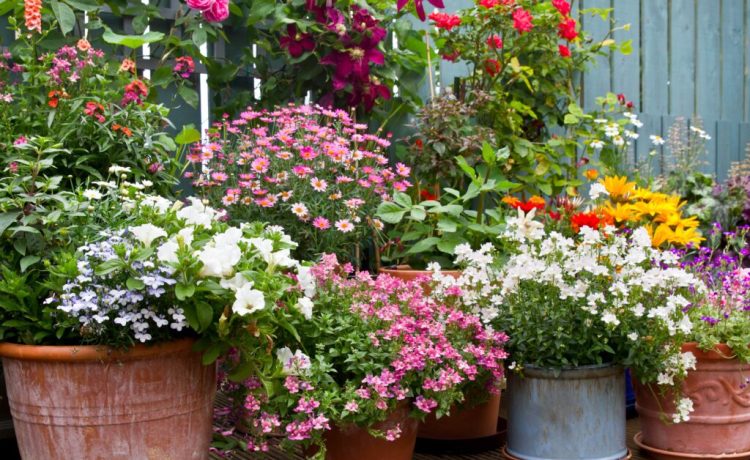
Living in an urban environment often means dealing with limited outdoor space. However, a small balcony should never stand between you and your dream of cultivating a thriving, green oasis. Container gardening unlocks the potential of minimal square footage, transforming concrete or wooden balconies into vibrant, living areas filled with flowers, foliage, and even fresh food.
Starting a balcony garden requires a shift in perspective. Instead of horizontal expanse, you must think about vertical opportunities, weight limitations, and specific microclimates. With strategic planning, the right materials, and appropriate plant choices, you can establish a lush container garden that flourishes season after season.
Assessing Your Balcony Microclimate
Before purchasing containers or buying every appealing plant at the local nursery, you must understand the unique environmental conditions of your specific balcony. Balconies have distinct microclimates that differ significantly from ground-level yards.
Sunlight Exposure
The amount of direct sunlight your balcony receives dictates exactly what you can grow.
-
South-facing balconies receive intense, direct sunlight for most of the day. They get incredibly hot, requiring sun-loving, drought-tolerant plants.
-
North-facing balconies remain mostly in the shade. They are ideal for lush foliage plants, ferns, and woodland species.
-
East-facing balconies get gentle morning sun and afternoon shade, which is perfect for delicate plants that burn easily.
-
West-facing balconies receive harsh, baking afternoon sun, requiring resilient plants that can handle high heat.
Track the sun on your balcony for a full day, checking every two hours to determine how many hours of direct light hit your space.
Wind and Weight Factors
Wind increases exponentially the higher up your balcony is located. Strong winds dry out container soil rapidly and can easily topple tall, top-heavy plants. If you live on a high floor, you will need heavy, stable pots and low-profile or flexible plants that bend rather than break.
Weight is another crucial safety consideration. Soil, water, and heavy pots add up quickly. Check your building codes or lease agreement to find the weight capacity of your balcony. To keep things light, opt for modern synthetic pots rather than heavy cast concrete or terracotta.
Choosing the Right Containers
Your choice of containers directly impacts both the aesthetic appeal of your garden and the health of your plants. Pots must balance weight, water retention, and visual design.
Material Selection
-
Plastic and Fiberglass: These are lightweight, affordable, and excellent at retaining moisture. Modern fiberglass pots can convincingly mimic the look of stone or concrete without the immense weight.
-
Terracotta and Clay: These classic pots are beautiful and porous, allowing air and water to move through the sides. However, they are heavy and cause soil to dry out much faster, making them better suited for Mediterranean herbs or succulents.
-
Fabric Grow Bags: Highly breathable and affordable, fabric bags promote healthy root growth by preventing roots from circling. They are excellent for growing vegetables but lack a formal, decorative look.
The Golden Rule of Drainage
No matter how beautiful a pot is, it must have drainage holes at the bottom. Without drainage, excess water collects at the base of the container, drowning the roots and causing root rot, which is fatal to almost all plants. If you fall in love with a decorative pot that lacks holes, use it as a cachepot. Plant your specimen in a slightly smaller plastic pot with drainage holes, and slip that inside the decorative container.
Premium Soil and Proper Nutrition
Never use ordinary backyard garden soil in your balcony containers. Natural dirt is too dense and heavy for pots. When packed into a container, it compacts tightly, cutting off oxygen to the roots and turning into a brick-like substance when dry or a soggy mess when wet.
Potting Mix Essentials
Always purchase high-quality potting soil or container mix. These commercial mixes do not contain actual dirt. Instead, they are composed of lightweight ingredients like peat moss, coconut coir, perlite, and vermiculite. This combination ensures the structural integrity of the mix remains fluffy, retaining just enough water while allowing excess moisture to drain away freely and leaving vital air pockets for root respiration.
Feeding Container Plants
Because container plants have access only to the nutrients within their specific pot, they require regular feeding. Every time you water your garden, a small amount of nutrients leaches out of the bottom of the container.
To keep your balcony lush, mix a slow-release granular fertilizer into the soil at the time of planting. This provides a steady baseline of nutrition for several months. During the peak growing season of spring and summer, supplement this with an organic liquid fertilizer applied every two weeks to support robust growth and heavy blooming.
Maximizing Small Spaces Vertically
When floor space is scarce, the only way to expand your garden is to go upward. Utilizing vertical space creates a dramatic jungle effect and leaves room for a small table or chair.
Vertical Gardening Techniques
-
Wall Planters and Pockets: Hang lightweight modular planters directly onto the balcony walls to grow a living tapestry of herbs, lettuce, or trailing flowers.
-
Railing Planters: Use specialized saddle-style planters that sit securely on top of your balcony railings. This utilizes space that would otherwise be completely wasted and keeps the balcony floor clear.
-
Trellises and Obelisks: Place climbing vines like jasmine, clematis, or runner beans in large pots against a wall and provide a sturdy trellis. The plants will naturally climb upward, creating a green privacy screen.
-
Plant Stands and Ladders: Tiered shelving units or simple wooden ladders allow you to stack multiple small pots vertically, maximizing your plant count per square foot.
Plant Selection for a Lush Aesthetic
To achieve a dense, layered appearance, employ the classic design principle of grouping plants by their growth habits: thrillers, spillers, and fillers.
Thrillers
These are your focal points. They are tall, architectural plants with striking foliage or dramatic blooms that sit in the center or back of a arrangement. Excellent thriller plants for balconies include dwarf canna lilies, ornamental grasses, cordylines, or upright sweet bay leaf trees.
Fillers
Fillers are rounded, mounded plants that occupy the middle section of the container, covering the bare stems of the thriller plant. Coleus, begonias, geraniums, and dwarf ferns work beautifully to add bulk, texture, and continuous color to your display.
Spillers
To create a truly lush, overflowing look, you need plants that cascade over the rims of your pots. These spillers soften the hard edges of the containers and draw the eye downward. Trailing ivy, sweet potato vine, creeping Jenny, and trailing petunias are exceptional choices for this role.
Maintenance and Watering Strategies
Container gardens require more frequent maintenance than traditional in-ground gardens. The limited volume of soil means conditions change rapidly.
Mastering the Art of Watering
Watering is the most critical aspect of balcony gardening. In the heat of summer, small pots on a sunny balcony may need to be watered twice a day.
-
Do not water on a rigid schedule; instead, check the moisture daily.
-
Push your index finger two inches into the soil. If it feels dry, water thoroughly until water runs out of the drainage holes.
-
Water early in the morning to reduce evaporation and give plants the hydration they need to survive the heat of the day.
Grooming and Pruning
Keep your balcony looking pristine by dedicating a few minutes each week to plant maintenance. Pinch back the growing tips of herbs and leafy plants to encourage bushier growth. Deadhead spent flowers by cutting the stems just above a set of leaves; this prevents the plant from setting seed and signals it to produce a fresh batch of blooms.
Frequently Asked Questions
How do I prevent water from dripping onto my downstairs neighbors balcony
This is a common source of conflict in apartment buildings. To prevent dripping, always place deep saucers or drip trays underneath every single pot to catch the overflow water. Avoid overwatering to the point where saucers overflow. Alternatively, you can use self-watering pots that feature internal reservoirs, keeping the water fully contained inside the base of the vessel.
Is it safe to leave container plants on the balcony during winter
It depends on your climate zone and the hardiness of the plants. Containers freeze much faster than the ground because they are exposed to freezing air on all sides. Hardy perennial plants can survive if the pot is insulated with burlap or bubble wrap. For fragile annuals or tropical plants, you must bring them indoors before the first autumn frost to protect them from freezing temperatures.
Can I grow dwarf fruit trees on a standard apartment balcony
Yes, you can grow specific dwarf varieties of citrus, figs, apples, and peaches on a balcony. However, fruit trees require very large containers, usually a minimum of 15 to 20 gallons in volume, to support their root systems. They also require at least six to eight hours of intense, direct sunlight daily and shelter from harsh winds that can knock off the developing fruit.
How do I control pests on a balcony without using harsh chemicals
Pests like aphids, spider mites, and fungus gnats can find their way to high balconies via the wind or on newly purchased plants. Check your plants regularly for early signs of infestation. You can manage most minor pest problems safely by spraying the foliage with a mixture of water and organic insecticidal soap or pure neem oil. Encouraging biodiversity by planting flowers that attract beneficial predatory insects also helps keep pest populations under control naturally.
How often do I need to completely replace the potting soil in my containers
You do not need to replace the soil every year for large pots. For perennial plants and shrubs, refreshing the top three to four inches of soil with fresh compost or potting mix each spring is sufficient. However, for small pots used for heavy-feeding annual flowers or vegetables, it is best to empty the old soil into a compost bin and start fresh each spring to ensure the new plants have a pathogen-free, nutrient-rich environment.
What are some good low-maintenance plants for a beginner with a brown thumb
If you are worried about killing your plants, start with ultra-resilient varieties. For sunny balconies, succulents like sedum and sempervivum, or tough herbs like rosemary and thyme, are incredibly forgiving if you forget to water them. For shady balconies, cast iron plants, hostas, and pothos ivy are extremely durable and can tolerate significant neglect while maintaining a lush appearance.