

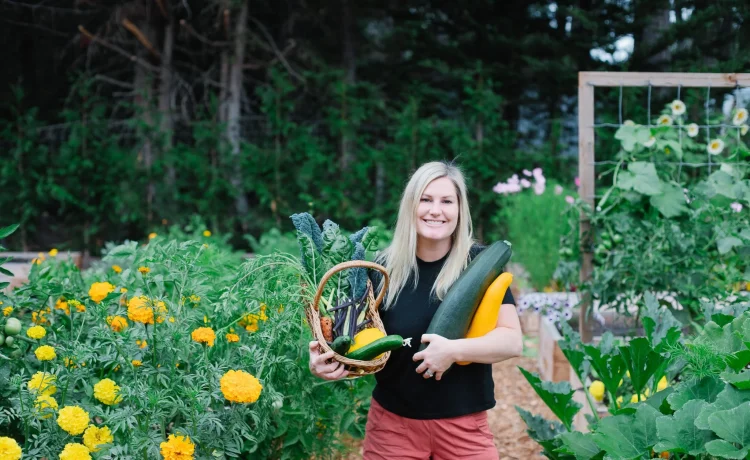
Starting a vegetable garden can feel overwhelming for a beginner. The anticipation of watching a seed transform into edible food is exciting, but waiting months for a single harvest can test anyone’s patience. New gardeners often give up when pests, disease, or extreme weather strike before the plants ever produce food.
The secret to building confidence in the garden is focusing on fast-growing crops. Quick-yielding vegetables reduce the time your plants are vulnerable to environmental stressors and provide a rapid reward for your labor. By filling your garden beds or containers with varieties that go from seed to plate in just a few weeks, you create a highly productive space that keeps you motivated.
Here are 10 of the absolute fastest and easiest vegetables to grow if you are just starting out.
1 Radishes
Radishes are the undisputed speed champions of the vegetable world. Some varieties are ready to harvest in as little as 21 days after planting. Because they grow so rapidly, they are an excellent crop for children or anyone looking for immediate gratification.
How to Grow
Sow radish seeds directly into loose, well-draining soil in early spring or autumn. Space the seeds about 1 inch apart and cover them with half an inch of soil. Keep the soil consistently moist. If the soil dries out completely, the radishes will become woody and excessively spicy.
When to Harvest
Harvest radishes as soon as you see the tops of the roots popping up through the soil surface, usually when they are about the size of a marble. Pulling them early ensures a crisp texture and a mild, pleasant flavor.
2 Salad Mix Lettuce
Instead of growing head lettuce varieties like iceberg, which take months to mature, opt for loose-leaf salad mixes. Often sold as cut-and-come-again blends, these leafy greens produce usable material in less than a month.
How to Grow
Broadcast the seeds thinly across a garden bed or a shallow container filled with rich potting soil. Lightly press the seeds into the surface and cover them with a very thin layer of soil. Lettuce requires bright light but prefers cooler temperatures, making it ideal for spring and fall cultivation.
When to Harvest
You can begin snipping the outer leaves with scissors once they reach 3 to 4 inches in height, which takes about 25 to 30 days. Leave the central growing point intact, and the plant will continue to push out new leaves for multiple subsequent harvests.
3 Arugula
Arugula is a peppery salad green that grows with astonishing speed. It thrives in cooler weather and handles partial shade much better than fruiting vegetable crops.
How to Grow
Plant arugula seeds directly into the ground or a container as soon as the soil can be worked in the spring. Space rows about 6 inches apart. Keep the soil damp to encourage rapid germination, which often occurs within just 3 days.
When to Harvest
Baby arugula leaves are ready to pick in about 20 to 30 days. Harvest the leaves when they are young for a milder, nutty flavor. If you let the plant mature too long, the leaves become intensely bitter and tough.
4 Spinach
Packed with nutrients and highly versatile in the kitchen, spinach is a cool-season favorite that delivers a quick turnaround. It is incredibly hardy and can even survive light frosts.
How to Grow
Sow seeds 1 inch apart in nitrogen-rich soil. Spinach has a delicate root system, so it is best to plant it exactly where you want it to grow rather than transplanting it. Provide plenty of moisture and a bit of afternoon shade if you are planting during warmer months.
When to Harvest
You can harvest baby spinach leaves in roughly 30 to 40 days. Like loose-leaf lettuce, you can harvest the outer leaves individually or cut the entire plant off at the base when it reaches maturity around day 45.
5 Bush Beans
While pole beans require complex trellises and take longer to mature, bush beans stay compact, growing into small, sturdy mounds that produce heavily in a short timeframe.
How to Grow
Wait until all danger of frost has passed and the soil has warmed completely in late spring. Plant the large seeds 1 inch deep and 2 to 3 inches apart. Bush beans do not need structural support, but they do require full sunlight and deep, weekly watering once they begin blooming.
When to Harvest
Expect to see pods ready for picking within 50 to 60 days. Check the plants daily once production begins. Snap the beans off when they are as thick as a pencil and firm to the touch. Frequent harvesting encourages the plant to produce even more pods.
6 Turnips
Turnips are a dual-purpose crop that gives you two distinct vegetables for the price of one. The leafy green tops grow rapidly and are highly nutritious, while the root swells into a sweet, crunchy vegetable.
How to Grow
Sow turnip seeds directly into the garden in early spring or late summer for a fall harvest. Thin the seedlings so they stand 3 to 4 inches apart to give the roots enough room to expand without crowding each other.
When to Harvest
You can snip off a few turnip greens to sauté after just 30 days. The roots themselves are best harvested when they are small and tender, roughly 2 to 3 inches in diameter, which takes about 40 to 50 days from planting.
7 Baby Carrots
Standard large carrots require loose, deeply tilled soil and up to 80 days to fully form. However, choosing fingerling or baby carrot varieties allows you to bypass these strict soil requirements and enjoy a much faster harvest.
How to Grow
Sow the tiny seeds shallowly in loose, sandy soil or a deep container. Keep the surface of the soil wet during the entire germination period, which can take up to 2 weeks. Once the seedlings emerge, thin them rigorously to a 2-inch spacing.
When to Harvest
Baby carrot varieties are sweet, tender, and ready to pull out of the ground in approximately 50 to 60 days. Pull a single tester carrot to verify the size before harvesting the entire row.
8 Zucchini
Zucchini is a warm-season squash known for its legendary productivity. A single plant can easily supply a small family with an abundance of food throughout the summer months.
How to Grow
Plant zucchini seeds directly in the ground after the final spring frost, choosing a spot that receives at least 6 to 8 hours of direct sunlight daily. Zucchini plants grow very large, so leave at least 3 feet of space between individual plants.
When to Harvest
Zucchini fruit develops rapidly once the flowers are pollinated, going from a tiny bud to a usable squash in a matter of days. Harvest the zucchini when they are 6 to 8 inches long, usually around 45 to 55 days after planting. Use a sharp knife to cut the stem rather than twisting the fruit off.
9 Bok Choy
Bok choy, also known as pak choi, is a crisp Asian green that belongs to the cabbage family. It grows beautifully in small spaces and containers, making it perfect for backyard raised beds.
How to Grow
Plant seeds in a location that receives partial shade, especially if the weather is warm. Bok choy prefers cool conditions and will bolt, or go to seed prematurely, if exposed to extreme heat. Keep the soil evenly moist.
When to Harvest
Baby bok choy varieties can be harvested whole in about 30 to 45 days. Simply cut the plant off at soil level when it forms a compact, firm rosette.
10 Green Onions
Also known as scallions, green onions grow much faster than traditional bulb onions. They take up virtually no space and can be tucked into the borders of your garden beds.
How to Grow
Plant seeds or sets closely together in rich, moist soil. If you want to speed up the process even further, you can plant the leftover white root bases of grocery store green onions directly into the dirt.
When to Harvest
Green onions are ready to use when the green shoots reach 6 to 8 inches in height, which takes about 50 days from seed. You can pull the entire plant up or simply snip off the green tops as needed for cooking.
Frequently Asked Questions
Can I grow all of these fast vegetables in containers on a balcony
Yes. Leafy greens like lettuce, spinach, and arugula have shallow root systems and thrive in containers that are only 6 inches deep. Radishes, green onions, and baby carrots also do exceptionally well in pots. If you want to grow bush beans or zucchini in containers, ensure you use larger pots that hold at least 5 gallons of soil to accommodate their larger root networks.
Why did my radishes grow big green leaves but no actual radish bulbs
This common issue is usually caused by two factors: overcrowding or excess nitrogen in the soil. If radish seedlings are not thinned out to at least 1 inch apart, they will choke each other out and fail to develop bulbs. Additionally, using a fertilizer with too much nitrogen encourages lush foliage growth at the expense of root development.
What does it mean when lettuce bolts and how do I prevent it
Bolting occurs when a plant transitions from growing leaves to producing seeds, usually triggered by rising temperatures and longer daylight hours. When lettuce bolts, the central stem shoots upward, and the leaves become incredibly bitter and unpalatable. To delay bolting, plant lettuce in partial shade, keep the soil cool with mulch, and ensure you harvest the leaves regularly.
Do fast-growing vegetables require more fertilizer than long-season crops
No, they actually require less. Because these vegetables complete their life cycles in a matter of weeks, they do not have time to deplete the nutrients in the soil the way heavy-feeding, long-season crops like corn or tomatoes do. Mixing a generous amount of organic compost into your soil before planting is usually more than enough to sustain fast-growing crops.
Can I save the seeds from my fast-growing vegetables for next year
You can save seeds from open-pollinated or heirloom varieties, but you must let the plants fully mature, flower, and produce seed pods first. This means you cannot harvest the vegetable to eat if you want to save its seeds. For beginners, it is often easier to purchase fresh, high-quality seeds each season until you get the hang of basic garden maintenance.
How often should I water a fast-growing vegetable garden
Fast-growing crops require consistent moisture because they are developing at a rapid pace. A general rule of thumb is to provide 1 inch of water per week, either through rainfall or manual watering. Check the soil daily by sticking your finger an inch deep into the earth; if it feels dry, it is time to water. Shallow watering causes weak roots, so aim for deep, thorough watering sessions.