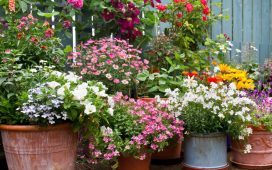


Gardening is an age-old practice, one that connects us to the earth and nurtures our love for nature. Whether you’re tending to a cozy urban garden or cultivating a sprawling backyard oasis, the process of growing plants offers immense satisfaction. However, the road to a flourishing garden isn’t always smooth, and it requires more than just planting seeds and hoping for the best. A successful garden is the result of careful planning, patience, and consistent care. Whether you’re a seasoned horticulturist or a beginner, here are some essential gardening tips to help ensure your garden thrives.
1. Understanding Soil: The Foundation of a Healthy Garden
Soil is the bedrock upon which your garden thrives. It provides the nutrients, structure, and moisture that plants depend on. Before planting, it’s important to evaluate the type of soil in your garden. Soil can range from sandy to clayey, and its composition directly affects the health of your plants.
One of the first steps in gardening is conducting a soil test. Many garden centers or agricultural extensions offer affordable soil testing kits. These tests will measure the pH level of your soil and identify any nutrient deficiencies. Based on the results, you can amend your soil by adding organic matter such as compost, manure, or peat moss. Loamy soil, a balanced mixture of sand, silt, and clay, is considered ideal for most plants. If your soil is too sandy, it won’t retain enough moisture, while clay-heavy soil can lead to poor drainage. Understanding and improving your soil ensures better root development, which in turn leads to healthier plants.
2. Choosing the Right Plants for Your Garden
A garden is only as strong as the plants you choose to cultivate, and one of the most crucial decisions is selecting the right plants for your environment. Different plants have varying needs when it comes to sunlight, temperature, and water. Choosing species that are well-suited to your climate zone will set the foundation for a garden that thrives with minimal intervention.
The USDA Plant Hardiness Zone Map is a great resource for determining what plants will succeed in your region based on the average minimum temperatures in your area. By selecting plants native to your region or those that are specifically adapted to your climate, you’ll minimize the need for extra care, such as excessive watering or fertilization. Native plants are well-suited to the local soil and weather conditions, and they tend to require less maintenance overall.
Additionally, consider your garden’s microclimates. These are areas within your garden that might receive more sun or shade than others. For example, if you have a shady corner, you can plant shade-loving varieties like ferns or hostas. For sunny spots, opt for heat-loving plants like lavender, sunflowers, or geraniums. Paying attention to your garden’s specific conditions ensures that you select plants that will thrive in their environment.
3. Watering: The Delicate Balance
Watering is one of the most common gardening challenges, and it’s easy to overwater or underwater your plants. While all plants need water to survive, the right amount and timing are essential for encouraging deep root growth and minimizing disease.
The general rule of thumb is to water deeply and infrequently rather than shallowly and often. Shallow watering promotes weak roots that are more susceptible to drought. Watering deeply ensures that the moisture reaches the plant’s roots, encouraging them to grow deeper into the soil. Aim to water early in the morning, as this allows time for the moisture to be absorbed before the heat of the day and reduces the likelihood of fungal diseases, which thrive in damp, warm conditions.
Additionally, be mindful of the water needs of different plants. Some, like succulents, prefer infrequent watering, while others, such as vegetables and flowers, require more consistent moisture. If you have a large garden, you might want to consider drip irrigation or soaker hoses, which efficiently deliver water directly to the roots while minimizing evaporation.
Using mulch around your plants can help retain moisture, suppress weeds, and regulate soil temperature. Organic mulches, such as straw, wood chips, or shredded leaves, break down over time, enriching the soil with nutrients.
4. Pruning and Deadheading for Healthy Growth
Pruning is often an overlooked aspect of gardening, but it plays a vital role in maintaining plant health and encouraging new growth. By removing dead, diseased, or damaged parts of a plant, you allow it to focus its energy on producing fresh foliage, flowers, or fruit.
For shrubs, trees, and woody plants, pruning is best done during the dormant season—usually in late winter or early spring—before new growth begins. This not only removes any broken or unhealthy branches but also allows you to shape the plant and control its size. For flowering plants, regular deadheading is essential. Deadheading involves removing spent flowers before they have a chance to set seeds. This prevents the plant from diverting energy into seed production and encourages it to produce more blooms.
When pruning, be sure to use sharp, clean tools to prevent damage to the plant. It’s also important to make clean cuts to reduce the risk of disease. Pruning your plants regularly also allows you to monitor their overall health and catch any issues early.
5. Fertilizing: Nourishing Your Plants
Plants require a range of nutrients to grow and thrive, and while soil amendments can improve soil health, they aren’t always enough to meet a plant’s nutritional needs. Fertilizing your garden provides an additional boost of nutrients that can promote healthy growth, improve flowering, and increase fruit production.
There are two main types of fertilizer: organic and synthetic. Organic fertilizers, such as compost, fish emulsion, and bone meal, release nutrients slowly, improving soil structure over time. They are typically less likely to harm the environment and contribute to long-term soil health. Synthetic fertilizers, on the other hand, deliver quick results and are formulated to meet specific nutrient deficiencies. However, they can sometimes lead to soil imbalances if used improperly.
The timing of fertilization is just as important as the type of fertilizer. Early spring is an ideal time to fertilize, as plants begin to emerge from dormancy and need nutrients to kickstart their growth. A second application during the growing season, particularly in mid-summer, can help support healthy flowering and fruiting. Always follow the manufacturer’s instructions and avoid over-fertilizing, which can harm plants and contribute to nutrient runoff.
6. Pest and Disease Control: Natural Solutions
Gardens are vulnerable to pests, diseases, and other environmental stressors, but the key is to manage them without relying on harsh chemicals. Chemical pesticides can harm beneficial insects like bees and ladybugs, disrupt the local ecosystem, and lead to pesticide resistance over time. Thankfully, there are plenty of organic and natural solutions that can help you manage pests while keeping your garden safe and sustainable.
One of the most effective ways to control pests is by attracting beneficial insects. Ladybugs, lacewings, and predatory beetles are all excellent natural predators of common pests like aphids and scale insects. You can also encourage birds to visit your garden, as they will help keep insect populations under control.
Neem oil, insecticidal soap, and diatomaceous earth are other organic alternatives to chemical pesticides. Neem oil, in particular, acts as both a repellent and a fungicide, protecting plants from a range of pests and diseases. Companion planting can also help deter pests. For example, planting marigolds around tomatoes can help repel aphids and nematodes, while garlic and chives can keep away Japanese beetles.
7. Seasonal Garden Maintenance
Gardening is a year-round endeavor, and each season requires specific care to ensure your plants continue to thrive. In the fall, focus on cleaning up your garden by removing dead plants and leaves, which can harbor pests and diseases. This is also the perfect time to add a layer of mulch to protect plant roots during the winter.
During the winter, while your garden is dormant, take time to clean and sharpen your tools, plan your next season’s plantings, and evaluate what worked well in your garden this year. Early spring is an ideal time to prune, prepare your soil, and start seeds indoors for later transplanting. By staying on top of seasonal tasks, you can ensure that your garden remains healthy, vibrant, and ready for the next growing cycle.
Conclusion
Gardening is a deeply rewarding pursuit that brings beauty, tranquility, and a sense of accomplishment. By understanding the essentials—soil health, plant selection, watering, pruning, fertilizing, pest control, and seasonal care—you can create a garden that flourishes year after year. Gardening requires patience and dedication, but the rewards of a thriving, healthy garden make it all worthwhile. With the right knowledge and approach, you can turn your outdoor space into a vibrant, thriving oasis that brings joy to you and your loved ones.