

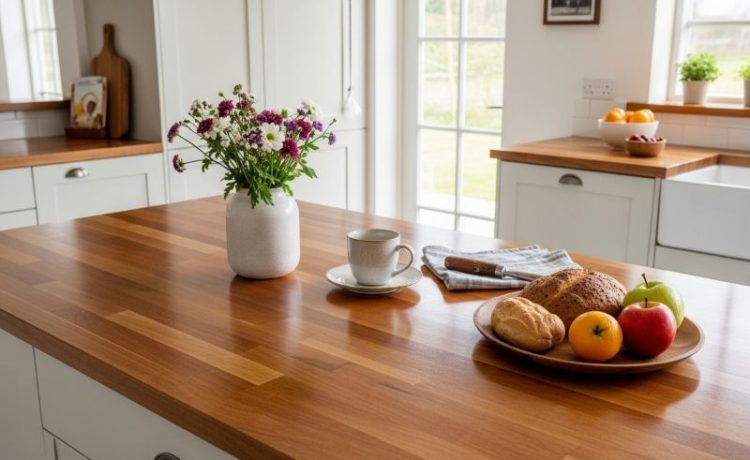
Butcher block countertops bring a distinct warmth, natural beauty, and rustic charm to any kitchen. Unlike stone or synthetic materials, wood is a living material that adds texture and character to a home. It is inherently soft on glassware, naturally dampens kitchen noise, and can last for decades if properly managed.
However, the unique appeal of wood comes with a responsibility that other countertop materials do not require. Wood is porous, susceptible to moisture damage, and prone to drying out if neglected. To preserve its structural integrity and keep it looking pristine, you must establish a regular maintenance and care routine. Understanding the specific needs of your wood countertops will ensure they remain a stunning focal point in your kitchen for generations.
Understanding Your Finish: Sealed Versus Unsealed
Before implementing a care regimen, you must identify whether your butcher block countertop is sealed or unsealed, as the maintenance methods for each are entirely different.
Sealed Butcher Block
Sealed countertops are coated with a permanent protective barrier, such as polyurethane, varnish, or a hardened lacquer. This plastic-like film sits on top of the wood, completely blocking out moisture, stains, and bacteria. While sealed wood is exceptionally low-maintenance and easy to clean, it is no longer safe to use as a direct cutting surface. Slicing directly on a sealed countertop will scratch the protective film, ruining the aesthetic and allowing water to creep underneath the finish, which causes the wood to rot.
Unsealed or Oil-Finished Butcher Block
True unsealed butcher block is treated only with food-safe oils and waxes that penetrate deep into the wood fibers rather than sitting on top. This approach maintains the natural texture of the wood and allows you to chop, slice, and prep food directly on the surface. However, because there is no hard plastic barrier, these countertops require routine oiling to prevent the wood from drying out, cracking, or absorbing liquids.
Daily Cleaning and Decontaminating Routine
Because wood is porous, daily cleaning must be done gently but thoroughly to prevent food particles and moisture from settling into the grain.
The Gentle Clean Method
For everyday cleanup after meal preparation, avoid harsh chemical cleaners, abrasive scrubbing pads, or bleach, which can strip away the protective oils and dry out the wood. Instead, use a simple solution of warm water and a few drops of mild, grease-cutting dish soap. Wipe down the surface with a soft microfiber cloth or sponge.
The most critical step in daily maintenance is drying the surface. Never allow puddles of water to sit on a butcher block countertop, especially around sinks or faucets. Wipe the wood completely dry with a clean towel immediately after washing.
Disinfecting Safely
When you prepare raw meat or seafood on an oil-finished butcher block, you need to sanitize the surface without ruining the wood. Avoid using harsh bleach sprays. Instead, mist the surface with pure white vinegar. Let it sit for ten minutes to naturally neutralize bacteria, then wipe it off with a damp cloth and dry the surface thoroughly.
For stubborn odors left behind by onions or garlic, sprinkle coarse salt over the countertop and scrub it vigorously with the cut side of a fresh lemon. The acidity of the lemon neutralizes odors while the salt acts as a gentle exfoliant.
The Essential Re-Oiling Process
If you have an oil-finished countertop, regular oiling is the backbone of long-term maintenance. Over time, washing the counter with soap strips away the defensive oils, leaving the wood fibers exposed to air and moisture.
Choosing the Right Oil
Never use vegetable, olive, canola, or corn oil to maintain a wooden countertop. These culinary oils are unstable and will oxidize over time, turning rancid and creating a sticky, foul-smelling layer that is impossible to clean.
Instead, always use food-grade mineral oil or specialized butcher block conditioners that blend mineral oil with natural water-resistant waxes, such as beeswax or carnauba wax. Mineral oil is completely food-safe, colorless, odorless, and will never go rancid.
Step-by-Step Oiling Application
-
Clean and Dry: Ensure the countertop is completely clean and has had at least four to six hours to dry out thoroughly.
-
Apply the Oil: Pour a generous amount of mineral oil directly onto the wood surface.
-
Spread Evenly: Use a clean, lint-free cloth or a paper towel to buff the oil into the wood, following the direction of the natural grain.
-
Let it Soak: Allow the wood to absorb the oil for at least twenty to thirty minutes. If the wood is exceptionally dry, you may notice it drinks up the oil almost instantly.
-
Wipe the Excess: Use a fresh, dry cloth to buff away any residual oil that remains on the surface so the counter does not feel sticky.
During the first year of installation, oil your countertops once a month. After the wood stabilizes, you can reduce this frequency to once every two to three months, or whenever the wood begins to look dull and water stops beading on the surface.
Repairing Scratches, Stains, and Minor Burns
One of the greatest benefits of a wooden countertop is its repairability. Unlike laminate, quartz, or granite, if a butcher block surface suffers damage, you can completely renew it without replacing the entire counter.
Erasing Stains and Scratches
If your countertop develops dark stains from wine, berries, or water rings, you can treat the area with a light application of hydrogen peroxide or a specialized wood bleach containing oxalic acid. Apply the solution directly to the stain with a cotton swab, let it lighten the blemish, and then rinse thoroughly with water.
For physical damage like knife gouges, deep scratches, or minor burn marks from hot pans, you can easily sand the defects away. Start with a medium-grit sandpaper, such as 120-grit, to level out the damaged area. Once the blemish is gone, switch to a fine 220-grit sandpaper to buff the surface to a perfectly smooth finish. Always sand in the direction of the wood grain, never across it. After sanding away the wood dust, apply several coats of mineral oil to saturate the newly exposed wood fibers.
Critical Preventative Habits
Preventing damage is far easier than repairing it. Adopting a few simple kitchen habits will keep your butcher block safe from catastrophic failures.
Always Use Trivets for Heat
Wood conducts heat poorly, but extreme temperatures can scorch the fibers, leave black burn marks, or cause the glue joints holding the butcher block pieces together to melt and separate. Never place hot pots, boiling kettles, or baking sheets directly from the oven onto the wood. Always utilize thick trivets or hot pads.
Guard the Sink Area
The area surrounding a kitchen sink is the most vulnerable zone for a butcher block countertop. Constant exposure to splashing water, dripping dish soap, and wet sponges can cause the wood to blacken with mold, warp, or split apart. If you install a butcher block near a sink, ensure that section is sealed with a waterproof marine-grade sealer, or coat it with wax every few weeks to form an aggressive barrier against standing water.
Frequently Asked Questions
Can I use a steam mop or a pressure washer to clean my wood countertops
No, you should never use a steam mop or any high-pressure water system on a butcher block countertop. The intense heat and moisture from a steam cleaner will immediately break down the wood glues holding the block together, raise the wood grain, cause severe warping, and strip away all protective oils in a matter of seconds. Stick exclusively to manual wiping with a damp cloth.
What causes a butcher block countertop to warp and can it be fixed
Warping occurs when one side of the wood block absorbs moisture or dries out at a faster rate than the opposite side, causing the wood fibers to expand or contract unevenly. If your countertop begins to cup or bow, it is usually because water is trapped underneath or the top surface has dried out severely. You can often fix minor warping by thoroughly oiling the dry side and removing any moisture sources from the wet side, allowing the wood to slowly balance out and flatten over several weeks.
How do I know when it is time to sand down the entire countertop and start fresh
You only need to sand down the entire countertop if the surface has accumulated widespread deep knife gouges, extensive water stains, black mold spots around the sink, or if the original protective sealant is peeling and flaking off. A full restoration involves using an orbital sander to remove the top layer of damaged wood across the entire surface, followed by a thorough re-application of oil or a fresh clear coat sealer.
Is it safe to use commercial furniture polish on my kitchen butcher block
No, standard commercial furniture polishes, dust sprays, and wood cleaners designed for tables and cabinets should never be used on kitchen butcher block countertops. These products frequently contain silicones, synthetic fragrances, and petroleum distillates that are not food-safe and can leave a toxic residue that transfers onto your food. Stick strictly to food-grade mineral oil, pure beeswax, or commercial conditioners explicitly labeled as safe for food preparation surfaces.
Why is my wooden countertop turning black around the faucet area
Black discoloration on wood, especially around plumbing fixtures, is a chemical reaction that occurs when the natural tannins in the wood come into contact with iron minerals present in water, compounded by the presence of mold or mildew from standing water. To treat this, you must sand away the blackened wood, treat the remaining discoloration with an oxalic acid wood cleaner to lift the dark stain, and then apply a heavy, water-resistant wax or a permanent waterproof sealant to isolate the wood from future water exposure.
Can I change my mind and seal an oiled countertop with polyurethane later
Yes, you can apply a permanent polyurethane or varnish coat over a countertop that was previously treated with oil, but you must prep the surface meticulously first. Polyurethane will not adhere to oily wood. You must wait several months for the mineral oil to dissipate, sand the surface down deeply to reach fresh wood fibers, and wipe the entire surface with denatured alcohol or acetone to strip away any remaining surface oils before applying the new liquid sealant.