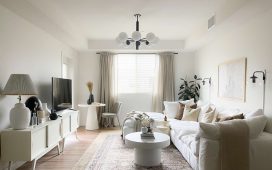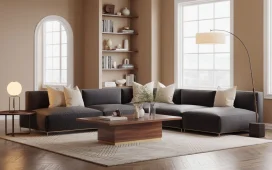


Furniture is an intrinsic part of our daily lives. It occupies the spaces where we live, work, and relax, serving both practical and aesthetic purposes. Over time, the function and design of furniture have evolved, reflecting changes in culture, technology, and societal values. What began as a means of fulfilling basic needs—seating, storage, and sleeping—has now become a means of expressing personal style, taste, and identity. Today, furniture is not only about utility but also about the ambiance it creates in our homes and workplaces.
The Role of Furniture in Daily Life
Furniture’s primary function is to provide comfort and utility, serving as the foundation for activities such as eating, sleeping, and socializing. In the living room, sofas and chairs create a space for relaxation and connection, while dining tables bring family and friends together for meals. In bedrooms, the bed serves as the central piece, supporting rest and rejuvenation. Desks and chairs in home offices facilitate work and creativity. These pieces of furniture are the silent enablers of our routines, enabling us to carry out day-to-day activities with ease.
However, furniture goes beyond the practical. It shapes the way we experience a space. The layout and arrangement of furniture can influence the flow of a room, determining how welcoming and functional a space feels. A carefully curated piece of furniture, whether it’s an ornate vintage cabinet or a sleek, modern armchair, has the ability to transform a room’s character. It can elevate a space from a simple collection of objects into a harmonious environment that reflects the personality of its inhabitants.
A Historical Perspective on Furniture
The history of furniture can be traced back to ancient civilizations, where functional designs were created to suit the practical needs of the time. In Ancient Egypt, for example, furniture was primarily made of wood, with inlays of ivory and ebony, and was designed to serve ceremonial, as well as everyday, purposes. Egyptians used chairs, tables, and storage pieces in their homes, often employing symbolic designs that reflected their culture and religious beliefs.
As time passed, the design of furniture began to reflect broader societal changes. During the Middle Ages, furniture became more elaborate, with detailed carvings and the use of luxurious materials like velvet and gold leaf. However, much of it remained heavy and practical, designed for durability in a world where furniture had to withstand both time and use. The Renaissance period marked a shift towards more refined styles, with increased attention to aesthetics and craftsmanship.
The Industrial Revolution brought a major turning point in furniture design. Mass production techniques allowed for the widespread availability of furniture, making it more accessible to the middle class. This democratization of furniture was further bolstered by innovations in design, such as the creation of pieces that were both functional and aesthetically pleasing. In the 20th century, movements such as Art Deco, Mid-Century Modern, and Scandinavian design redefined furniture, emphasizing minimalism, form, and function.
Today, furniture design continues to evolve, influenced by global trends, technological advancements, and shifting cultural values. The modern world’s emphasis on sustainability has given rise to eco-conscious furniture, with manufacturers using renewable resources, upcycled materials, and non-toxic finishes. Additionally, advancements in smart technology have led to the creation of multi-functional furniture, such as beds with built-in charging ports and couches that transform into workstations.
Types of Furniture: A World of Possibilities
Furniture comes in many shapes, sizes, and styles, each designed to meet different needs and desires. From the simple elegance of a wooden table to the luxurious comfort of a leather sofa, furniture categories can be broadly classified into several types based on their functionality and style.
Seating Furniture – Perhaps the most ubiquitous of all furniture types, seating furniture includes sofas, chairs, armchairs, and stools. In a living room or lounge area, a sofa is often the centerpiece, inviting relaxation and conversation. The design of seating furniture varies greatly, from the minimalist lines of modern Scandinavian chairs to the opulent, plush cushions of traditional Victorian-style sofas. Seating furniture is often a reflection of personal taste, with choices ranging from sleek and contemporary to vintage and ornate.
Storage Furniture – Storage pieces, such as wardrobes, cabinets, bookshelves, and sideboards, are essential for maintaining organization and tidiness in the home. These items are both practical and decorative, often doubling as statement pieces in a room. For instance, a beautifully crafted wooden armoire not only offers functional storage but can also serve as an elegant focal point in a bedroom or hallway.
Bedroom Furniture – The bedroom is perhaps the most intimate space in the home, and the furniture chosen for it should cater to both comfort and style. The bed, undoubtedly the most important piece, sets the tone for the room. Whether it’s a grand four-poster bed or a minimalist platform design, the choice of bed frames, mattresses, and bedding can drastically affect one’s sleep quality. Complementing the bed, nightstands, dressers, and vanity tables provide both utility and charm, creating a serene environment for rest and personal care.
Dining Furniture – The dining table is often the heart of family gatherings, and its design is central to the experience of shared meals. Dining tables range from formal, ornate wooden tables to sleek, modern glass designs. Chairs to match the table—ranging from classic, upholstered pieces to contemporary, minimalistic chairs—help define the room’s overall atmosphere. The choice of materials, from warm wood to cool metal, also plays a significant role in establishing the dining area’s aesthetic.
Office Furniture – In an era where remote work is increasingly common, the design of office furniture has become more important than ever. A well-designed office chair, for example, can help reduce physical strain during long hours of work, while a spacious desk can enhance productivity. Modern office furniture often incorporates adjustable features, ergonomic designs, and aesthetically pleasing elements, ensuring that a workspace is both functional and conducive to creativity and focus.
Furniture as a Reflection of Personal Style
The way we furnish our homes is often a direct reflection of who we are. Furniture is an extension of our personalities, and the pieces we choose can say much about our values, lifestyle, and cultural influences. For some, furniture may be a vehicle for self-expression, showcasing a preference for modern, cutting-edge designs or for vintage, eclectic finds. Others may gravitate towards minimalist, functional pieces that prioritize practicality over decoration.
Incorporating cultural or artisanal furniture pieces is also an increasingly popular way to express one’s identity. Handmade, artisanal furniture often tells a story of craftsmanship and heritage, adding depth and meaning to a space. The rise of sustainable and eco-conscious furniture also reflects a growing awareness of environmental issues and a desire to reduce one’s ecological footprint.
The Future of Furniture Design
As we look to the future, the world of furniture design will undoubtedly continue to evolve. With the increasing focus on sustainability, technology, and multi-functionality, future furniture may become even more adaptable, modular, and smart. With the advent of smart homes, furniture may incorporate technology in ways that enhance our daily lives, from furniture that adjusts to our body’s needs to interactive, connected pieces that seamlessly integrate into the digital age.
As we continue to redefine how we live and work, furniture will remain an essential part of our lives, serving not just as functional objects, but as meaningful expressions of who we are. Whether a piece evokes nostalgia, fosters creativity, or enhances relaxation, furniture will always hold the power to transform our spaces and our experiences.
Conclusion
Furniture is much more than just the functional pieces that fill our homes. It is a form of self-expression, a reflection of our history, culture, and personal taste. From simple designs that prioritize practicality to elaborate, artistic creations that capture the essence of craftsmanship, furniture plays an integral role in shaping the environments we inhabit. As we continue to innovate and evolve, the furniture of tomorrow will no doubt be as diverse, dynamic, and transformative as the spaces they occupy.