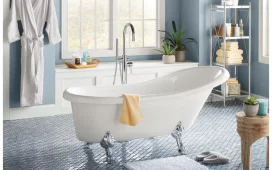


The bathroom, often considered one of the most functional spaces in a home, is frequently overlooked in terms of design and attention. Yet, it is a sanctuary—a private retreat where personal care rituals occur, and moments of solitude and reflection unfold. From the simple yet essential act of washing hands to indulgent baths that unwind the day’s stresses, the bathroom serves as both a utilitarian space and a sanctuary for rejuvenation. In this exploration of the bathroom, we’ll discuss its evolution, design considerations, and the growing importance of making it a space that reflects personal comfort and style.
A Brief History: From Utility to Retreat
The bathroom, as we know it today, is a relatively modern concept. In ancient civilizations, bathing was an elaborate ritual, often reserved for the elite. The Romans, for example, had grand bathhouses where citizens would socialize, exercise, and bathe in large communal pools. These public baths were as much a social venue as a place for personal hygiene, and they epitomized the idea of bathing as an experience rather than a mere necessity.
As centuries passed, bathing rituals gradually shifted in both cultural significance and practical purpose. In the medieval period, bathing was infrequent due to cultural and hygienic beliefs that associated water with disease. It wasn’t until the Renaissance and the subsequent centuries that personal hygiene regained some importance, albeit still in rudimentary forms. The early 19th century saw the first real plumbing systems emerge, offering a level of privacy and comfort previously unattainable for most.
Today, the bathroom is a cornerstone of modern living. What was once a purely utilitarian space has evolved into an environment designed for both efficiency and relaxation. With the rise of homeownership, particularly after the industrial revolution, bathrooms were transformed from shared, basic facilities into private, intimate spaces where design and technology now converge.
Designing the Modern Bathroom
In the 21st century, bathroom design has become as much about luxury and aesthetics as it is about function. The evolution of materials, technology, and trends has allowed homeowners to create personal havens that enhance both their daily routines and their quality of life. When designing a bathroom, there are several considerations that blend form and function to ensure the space serves its dual purpose as both a utility and a place for relaxation.
Space and Layout
The layout of the bathroom is one of the most important design decisions. The size and shape of the room will largely determine its functionality, but careful planning can maximize even the smallest of spaces. For larger bathrooms, a strategic division of zones is often employed. Separate areas for bathing, showering, and toilet functions can create a sense of openness and comfort. Moreover, many homeowners opt for a “wet room” design, which eliminates barriers between the shower and other bathroom elements, creating a fluid and seamless space.
Fixtures and Features
The fixtures in a bathroom are both practical and aesthetic components that can elevate the space. Bathtubs, showers, sinks, and toilets are the functional elements, but it is the material choices and design finishes that create visual impact. Luxury bathtubs, such as freestanding soakers and jetted models, offer a spa-like experience and are often seen as a focal point in larger bathrooms. Similarly, rain showerheads and multi-function shower systems have become increasingly popular for their ability to turn an everyday shower into an immersive, sensory experience.
Toilets, too, have evolved in both design and technology. Modern innovations include smart toilets with heated seats, built-in bidets, and self-cleaning functions that bring a level of convenience and comfort once reserved for high-end hotels. The integration of high-tech features into the bathroom has created spaces that cater to both aesthetic desires and practical needs, offering a touch of sophistication while improving the functionality of the room.
Lighting and Ambiance
Lighting plays a significant role in bathroom design. A well-lit space makes the daily routine easier, while softer lighting can create an atmosphere of relaxation. Task lighting, especially around the mirror and sink area, is essential for grooming tasks like shaving or applying makeup. For a spa-like ambiance, soft, dimmable lights paired with natural light sources are often favored. Skylights and large windows allow natural light to flood the room, providing a sense of openness and tranquility.
The Role of Technology in the Bathroom
As with other areas of the home, technology has significantly impacted bathroom design. Smart bathrooms are no longer a futuristic concept but a reality for many homeowners. Digital shower systems, for example, allow users to program their ideal water temperature and pressure settings, while touchless faucets and motion-sensing lighting offer convenience and hygiene. In addition to these practical applications, innovative technologies such as heated floors, self-cleaning surfaces, and even voice-activated devices for controlling lights and music are elevating the bathroom experience to a level of luxury once reserved for five-star resorts.
Another emerging trend is the incorporation of wellness technologies in bathroom design. Steam showers, saunas, and infrared heating panels are gaining popularity as more people recognize the benefits of these features for mental and physical well-being. Aromatherapy diffusers, chromotherapy (color therapy) lighting, and built-in sound systems are also commonly integrated into high-end bathrooms, creating environments designed not just for physical cleanliness, but for emotional and psychological relaxation.
Personalization: Reflecting One’s Identity
In a time where customization and individuality are increasingly valued, the bathroom has become a space where personal style and preferences can truly shine. The design elements in a bathroom can range from classic and timeless to modern and avant-garde, depending on one’s tastes. Color palettes, tile patterns, and unique materials like marble, glass, and reclaimed wood contribute to creating a distinctive atmosphere.
The choice of decorative elements also plays a significant role. From elegant fixtures and faucets to designer mirrors and storage solutions, every detail can reflect the personality and tastes of the homeowner. For instance, bold geometric patterns may appeal to those with a love for contemporary design, while soft, neutral tones and natural materials may suit individuals who value simplicity and tranquility.
In a similar vein, many individuals opt for bathrooms that mirror the look and feel of their favorite luxury hotels or spas. The incorporation of sleek, minimalist designs with clean lines and clutter-free surfaces creates a serene and stylish space. Custom cabinetry, stylish vanities, and designer accessories can elevate the aesthetic, ensuring that the bathroom becomes not just a functional space, but a place that embodies one’s personal sense of luxury and relaxation.
The Bathroom as a Reflection of Lifestyle
Ultimately, the bathroom is more than just a room—it’s a reflection of one’s lifestyle. As our homes evolve to become more than just places to live, the spaces within them are adapting to accommodate new priorities, such as well-being, convenience, and aesthetic enjoyment. A thoughtfully designed bathroom can serve as a daily retreat—a place where individuals can recharge, rejuvenate, and escape from the hustle and bustle of the world. Whether simple or opulent, functional or indulgent, the bathroom remains a crucial and highly personal part of any home.
As the bathroom continues to evolve in both form and function, it’s clear that its role extends far beyond basic hygiene. It is now a space for comfort, luxury, and self-expression—a sanctuary that reflects our need for both practicality and peace. With the right balance of design, technology, and personalized elements, the bathroom can be transformed from a mere utilitarian necessity into a blissful retreat—a place where one can escape the demands of everyday life and embrace moments of tranquility and rejuvenation.