
Decorating a standard, square living room presents its own set of challenges, but arranging a long, narrow living room can feel like a daunting spatial puzzle. Often referred to as a tunnel or a bowling alley space, these awkward room dimensions make it incredibly easy to default to layout choices that accentuate the restrictive width. Homeowners frequently push every single piece of furniture completely flat against the longest walls, which ironically narrows the room further and creates a cold, uninviting path right through the center.
The secret to conquering a long, narrow living room is to work against the natural geometry of the floor plan. Instead of viewing the room as one massive, awkward corridor, you must learn to manipulate sightlines, establish clear traffic pathways, and use structural furniture placement to trick the eye into perceiving a more balanced, expansive layout. With the right strategic blueprint, you can transform a cramped architectural bottleneck into a cozy, highly functional, and beautifully organized living pavilion.
Breaking the Space into Distinct Functional Zones
The most effective way to eliminate the bowling alley effect in a lengthy room is to segment the floor plan into two or three smaller, dedicated functional zones. By dividing the total square footage into distinct areas, you break up the long horizontal sightlines and give the room a clear sense of purpose.
Creating a Primary Seating Area
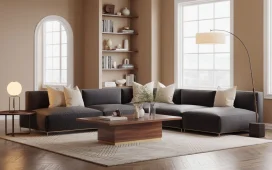
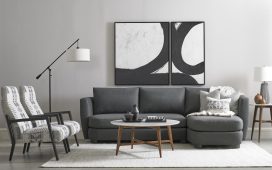
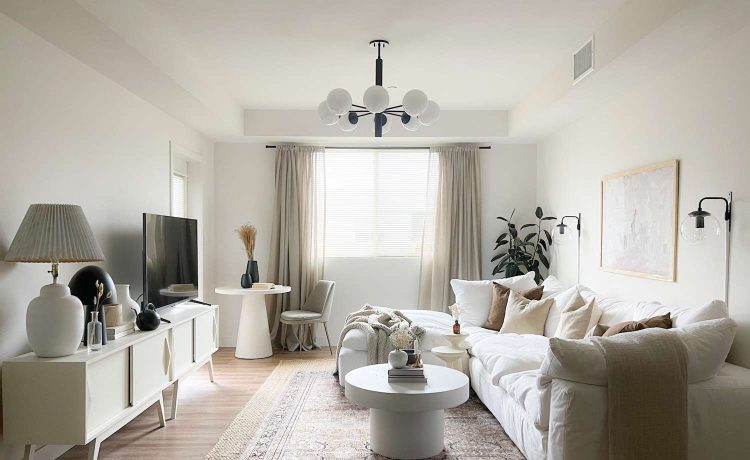
Dedicate the largest portion of the room to your primary conversational or television-viewing zone. Instead of utilizing an oversized, deep sofa that stretches across the long wall, choose a compact, clean-lined sofa or a small apartment-scale sectional. Position this primary seating arrangement toward one end of the room, using a large area rug to anchor the furniture pieces together and visually define the boundaries of this specific zone.
Incorporating Secondary Zones
Once your primary seating zone is established, evaluate the remaining footprint for secondary activities. Depending on your lifestyle needs, you can use the leftover space to create:
-
A Home Office Nook: Place a slim console desk and an accent chair against a short wall.
-
A Reading Corner: Arrange a comfortable armchair, a small side table, and a tall floor lamp in an empty corner.
-
A Dining or Game Station: Position a small round bistro table with two chairs to utilize an underused end of the room.
-
A Creative Play Area: Set up a low-profile bookshelf and a soft accent rug for children’s toys.
Pulling Furniture Away from the Walls
The most common layout instinct is to push all seating flat against the long walls to maximize open floor space in the center. However, this floating approach actually highlights the narrowness of the room and forces people to sit directly across from each other at an uncomfortable, distant viewing angle.
The Power of Floating Furniture
To create an intimate atmosphere, float your main seating away from the long walls by at least a few inches or even a couple of feet. Pulling a sofa inward creates an immediate sense of coziness and architectural depth.
If space permits, place a slim console table directly behind the floating sofa. This addition provides a convenient surface for table lamps, books, and decorative objects, while physically blocking the path of traffic away from the immediate seating circle.
Utilizing One-Sided Arrangements
If your living room is exceptionally narrow and floating a sofa in the middle is physically impossible, restrict your large furniture to just one of the long walls. Place your sofa and media console on the same side, and leave the opposite long wall relatively clear, using only flat artwork or a low-profile bench. This strategy prevents the room from feeling like a crowded canyon where furniture pinches you from both sides as you walk through.
Creating a Clear, Curved Traffic Pathway
A major functional flaw in narrow living rooms is the disruption of the conversation zone by foot traffic. If your front entry door is at one end of the room and the kitchen or hallway is at the opposite end, people are forced to walk directly between the sofa and the television, interrupting daily activities.
Establishing the Walkway
When mapping out your furniture layout, intentionally designate a clear traffic lane that measures at least three feet wide. Instead of forcing this pathway down the exact center of the room, push the walkway entirely to one side. This ensures that anyone walking through the living room moves behind or around the seating area rather than cutting straight through the middle of it.
Introducing Curved Lines
To counteract the harsh, rigid angles of a rectangular room, deliberately incorporate furniture with soft, rounded silhouettes.
-
Choose a round or oval coffee table rather than a rectangular one to make navigating tight corners much easier on your shins.
-
Incorporate rounded swivel chairs that can rotate effortlessly between the main conversation zone and secondary areas.
-
Use circular mirrors, round accent pillows, and organic lighting fixtures to visually soften the straight structural lines of the walls.
Strategic Placement of Rugs and Lighting
Rugs and lighting systems are powerful visual tools that can alter the perceived proportions of a room without changing a single wall.
Rug Placement Tactics
Never use a long, narrow runner rug in a bowling alley living room, as this will only emphasize the tunnel effect. Instead, use multiple rectangular or square area rugs to define your functional zones.
Ensure that the rugs are sized correctly; at a minimum, the front legs of your seating furniture should sit comfortably on top of the rug. Placing a wide rug horizontally across the room draws the eye outward toward the walls, creating the optical illusion of a much wider space.
Layering the Lighting
Proper illumination is critical to preventing the ends of a long room from falling into deep, dark shadows, which makes the space feel smaller and more enclosed. Avoid relying entirely on a single center ceiling fixture. Instead, layer your lighting across the entire length of the space. Place matching table lamps on console tables at opposite ends of the room, install directional wall sconces to highlight artwork on the long walls, and use tall floor lamps to brighten up distant corners.
Vertical Storage and Low-Profile Profiles
When horizontal square footage is limited, you must look upward to solve your storage and display needs. However, you must balance vertical storage with low-profile furniture to maintain an open, airy environment.
Utilizing High Vertical Space
Install floor-to-ceiling shelving units or floating bookshelves on the short walls of the room. This placement draws the eye upward, emphasizing the height of the ceilings rather than the narrow width of the floor. Painting these built-in bookshelves the exact same color as the surrounding walls allows them to blend into the architecture seamlessly, providing immense storage capacity without adding visual weight.
Choosing Low-Profile Seating
For your main seating pieces, opt for furniture with a low profile. Sofas and chairs with low backs and exposed, slender legs allow light and sightlines to pass through effortlessly, making the entire room feel larger and less congested. Avoid heavy, skirted furniture or bulky, overstuffed reclining sofas that absorb light and physically dominate the tight floor plan.
Frequently Asked Questions
Can I use a large sectional sofa in a long narrow living room
Yes, you can use a sectional sofa, but you must be exceptionally strategic with the shape and placement. Avoid massive U-shaped sectionals, which will completely choke the width of the room. Instead, opt for a small L-shaped sectional and position the shorter chaise portion against the short wall or use it as a structural divider to separate the main viewing zone from a secondary zone. Ensure the long side of the sectional runs parallel to the long wall but is pulled away slightly to maintain airiness.
Where should I mount my television in an exceptionally narrow layout
The ideal placement for a television in a narrow room is mounted flat on one of the long walls using a low-profile, ultra-slim mount. Pair the television with a floating media console underneath rather than a heavy, floor-standing entertainment center. Floating the console leaves the floor beneath it visible, which instantly creates a lighter, more spacious appearance. Avoid placing the television at the absolute far end of a short wall unless your primary seating is positioned directly in front of it at a comfortable viewing distance.
How do I decorate the long walls without creating a cluttered gallery look
To decorate long walls without overwhelming a narrow space, opt for large-scale, impactful artwork rather than a complex gallery wall made of dozens of small frames. Hanging two or three oversized, matching art prints in a clean horizontal row creates a sophisticated focal point that anchors the room. Utilizing large mirrors on a long wall is another exceptional tactic, as mirrors reflect light and viewscapes, effectively making the room look twice as wide as it actually is.
Should I paint a narrow living room bright white to make it look wider
While bright white can make a room feel clean, it can sometimes feel flat and boxy in a narrow space that lacks abundant natural light. Instead of stark white, consider using soft, warm neutrals like cream, pale taupe, or light greys with warm undertones. To create an optical illusion that shortens the room, you can paint the two short accent walls a slightly darker, richer shade than the long walls, which visually draws the distant ends inward and balances the proportions.
What is the best window treatment option for a narrow living space
To maximize the perception of width, hang your curtain rods several inches outside the actual frame of the windows and close to the ceiling line. This allows you to pull the drapery panels completely clear of the glass when open, maximizing the natural light entering the room and making the windows appear significantly wider than they are. Choose lightweight, breathable fabrics like linen or sheer cotton in light color palettes to keep the room feeling bright and open.
How do I handle a fireplace that is centered on one of the long walls
A centered fireplace on a long wall naturally splits a narrow room in half. Embrace this architectural feature by making the fireplace the definitive anchor of your primary conversational zone. Place two matching armchairs directly opposite the fireplace, or position your main sofa facing it, ensuring there is enough clearance behind the seating for a clear walking path. Use the remaining spaces on either side of the fireplace zone to establish your secondary functional areas, such as a reading nook or music station.