
The kitchen has evolved far beyond its original, utilitarian purpose as a mere space for meal preparation. In the modern home, it serves as the central nervous system of daily life, acting as a homework station, a remote workspace, a social gathering hub, and a culinary laboratory. Because the kitchen wears so many hats, any changes in its design philosophy ripple throughout the entire residential architectural landscape.
As we look toward the future, interior designers and architects are shifting away from the hyper-minimalist, sterile aesthetics that defined the previous decade. The emerging vision for the kitchen focuses heavily on warmth, tactile materials, hyper-functional hidden storage, and a deep integration of smart technology that feels seamless rather than intrusive. Homeowners are increasingly prioritizing longevity and personal expression over cookie-cutter design choices. Here are the seven major kitchen trends that industry experts predict will define the coming decade.
1 The Rise of the Hidden Scullery and Back Kitchen
The open-concept floor plan remains incredibly popular, but it has introduced a major lifestyle challenge: keeping a highly visible kitchen looking pristine while entertaining or managing a busy household. To combat this issue, designers are increasingly incorporating secondary spaces known as sculleries, butler’s pantries, or back kitchens.
Creating a Two-Tiered System
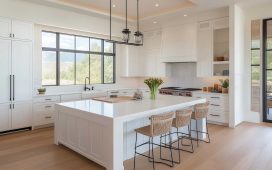
This trend splits the kitchen into two distinct zones. The main kitchen, visible to guests, remains clean, airy, and focused on presentation, light assembly, and socializing. It often features open shelving, beautiful countertops, and minimal small appliances.
The hidden scullery, tucked away behind a pocket door or a secret cabinetry panel, handles the heavy lifting. This secondary room houses loud dishwashers, large refrigerators, trash bins, and countertop appliances like blenders and coffee makers. It allows the mess of meal preparation to remain completely out of sight, preserving the calm aesthetic of the main living pavilion.
2 Warm Woods and the Demise of the All-White Kitchen
For years, stark white cabinets, white subway tiles, and bright white quartz countertops reigned supreme. While this look felt clean, it often drifted into feeling cold, clinical, and devoid of personality. The design industry is experiencing a massive correction as homeowners embrace rich, natural wood tones.
Reintroducing Texture and Grain
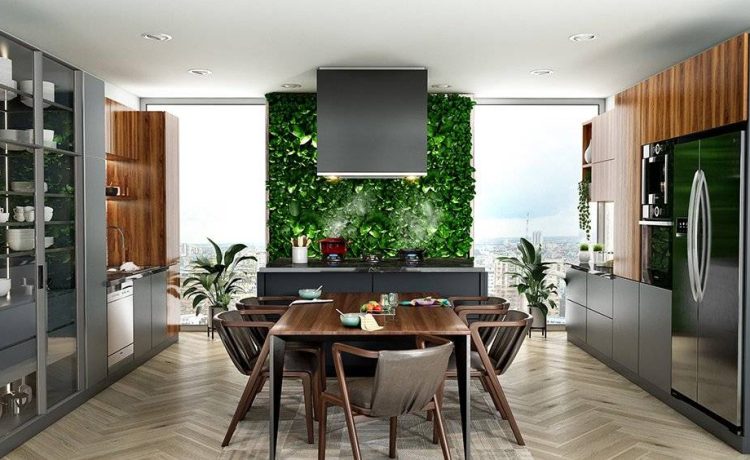
Rather than the heavy, orange-toned oak cabinets of the late twentieth century, modern wood kitchens utilize sophisticated, low-luster finishes that highlight the authentic beauty of the wood grain. White oak, walnut, and rift-sawn maple are leading the charge.
When wood is used for cabinetry, it is often paired with warm, earthy paint colors like mushroom, olive green, terracotta, or deep charcoal. This shift toward a warmer palette creates an inviting, grounded environment that connects the interior of the home to the natural world outside.
3 Concealed Appliances and Seamless Cabinetry Integration
The visual clutter of mismatched stainless steel appliances is quickly becoming a thing of the past. As kitchens integrate more deeply into open-living spaces, the goal is to make major appliances blend effortlessly into the surrounding architectural millwork.
Appliance Paneling and Concealment
Appliance garages with pocketing doors or motorized lift-ups are being used to hide microwaves, air fryers, and toasters when they are not in use. For larger items, panel-ready refrigerators, freezers, and dishwashers are covered in custom cabinetry faces that match the rest of the kitchen perfectly.
Even range hoods are being treated as sculptural elements, wrapped in plaster, stone, or custom metalwork, rather than left as exposed sheet metal boxes. This creates a continuous, unbroken wall of cabinetry that elevates the sophistication of the room.
4 Statement Backsplashes with Slab Stone
While individual tiles like herringbone or subway options will always have a place in home design, the coming decade belongs to the solid slab backsplash. Homeowners are extending their countertop materials straight up the wall to meet the upper cabinets or the ceiling.
The Impact of Continuous Stone
Using a single, continuous sheet of natural stone or high-performance porcelain creates a dramatic, luxurious focal point. This design technique eliminates grout lines entirely, making the kitchen look larger and significantly easier to wipe clean.
Designers are moving away from subtle, quiet veining and are instead opting for bold, high-contrast stones with dramatic patterns, deep colors, and rich movement. Quartzite and heavily veined marbles are highly sought after for their ability to function as functional pieces of art in the kitchen.
5 Induction Cooktops Over Traditional Gas Ranges
The conversation surrounding kitchen cooking appliances has shifted dramatically due to a combination of environmental awareness, indoor air quality concerns, and major leaps in appliance technology. Induction cooking is rapidly replacing gas as the preferred choice for high-end kitchen remodels.
Efficiency and Sleek Aesthetics
Induction cooktops use electromagnetic energy to heat the cookware directly, rather than heating the air around the pan. This process offers incredibly precise temperature control, faster boiling times, and a safer cooking surface that remains cool to the touch. From a design standpoint, the flat, black glass surface of an induction cooktop sits flush with the countertop, contributing to the clean, streamlined aesthetic that designers are striving for.
6 Mixed Metal Finishes and Textured Hardware
The old rule that every metal fixture in a kitchen must match perfectly has been permanently retired. The most forward-thinking kitchens today feature a curated mix of two to three different metal finishes to create a space that feels collected over time rather than purchased from a single showroom catalog.
How to Mix Metals Successfully
The key to executing this trend is identifying a dominant metal and complementing it with accent tones. For instance, you might use matte black for your light fixtures and main cabinet handles, while introducing unlacquered brass for the plumbing fixtures and drawer pulls.
Unlacquered brass is particularly popular because it is a living finish; it develops a natural patina over time as it reacts with the oils from your hands, adding a sense of history and soul to a brand-new kitchen.
7 Integrated Smart Technology for Longevity
Smart kitchen technology is moving past gimmicky touchscreens on refrigerator doors and focusing instead on meaningful infrastructure that improves daily efficiency and reduces energy waste.
Practical Technological Advancements
The modern smart kitchen includes voice-activated faucets that dispense precise measurements of water at exact temperatures, reducing water waste. Smart lighting systems automatically adjust their color temperature throughout the day, shifting from bright, energizing cool light in the morning to soft, warm illumination in the evening to mimic natural circadian rhythms. High-tech ovens now feature built-in cameras and artificial intelligence that can recognize food types and automatically adjust cook times to prevent burning.
Frequently Asked Questions
Are upper cabinets completely going out of style in favor of open shelving
Not entirely. While open shelving is a massive trend that helps a kitchen feel lighter and more expansive, replacing all upper cabinets with shelves is impractical for most households due to the loss of storage space and the need to constantly dust items. The modern compromise is using open shelving in small, intentional zones, such as framing a window or above a coffee bar, while retaining traditional, closed upper cabinetry for the majority of the kitchen to hide less attractive dishware.
What is the difference between a scullery and a standard walk-in pantry
A standard walk-in pantry is designed strictly for dry food storage, shelving, and organization. A scullery, or back kitchen, is a fully functional secondary workspace. It includes running water, a sink, countertop space for food preparation, and electrical outlets for major appliances. A scullery is built to handle actual kitchen labor, whereas a pantry is simply a storage closet.
Why is quartz losing ground to quartzite and porcelain in high-end designs
While engineered quartz remains a popular mid-tier option, high-end designers are shifting toward quartzite and large-format porcelain slabs. Quartzite is a 100 percent natural stone that offers the beauty of marble but with much higher durability, scratch resistance, and heat resistance. Porcelain slabs are engineered to be completely non-porous, stain-resistant, UV-resistant, and immune to heat damage, allowing you to place hot pans directly on the surface, which you cannot do with quartz.
Is an induction cooktop difficult to adapt to if you have used gas your entire life
There is a brief learning curve because induction heats up and cools down much faster than gas. The visual cue of the flame is gone, which can take some getting used to. However, most users find the transition highly rewarding due to the sheer speed of cooking and the extreme ease of cleaning a flat glass surface compared to scrubbing heavy iron gas grates. It does require magnetic cookware, such as cast iron or stainless steel, to function.
How do I prevent a wood-heavy kitchen from looking dated or like a dark cabin
To keep a wood kitchen looking modern and fresh, balance the wood elements with contrasting materials and plenty of light. Avoid using the same wood species on the floors, cabinets, and ceiling simultaneously. If you choose dark walnut cabinets, pair them with light stone countertops and crisp plaster walls. Incorporating minimalist cabinet door profiles, like flat-panel slab doors or slim-shaker frames, also keeps the design firmly rooted in the current era.
What are workstation sinks and why are they trending so heavily
A workstation sink is an extra-wide sink basin equipped with built-in tiers or ledges designed to hold custom accessories. These accessories typically include sliding cutting boards, colanders, drying racks, and mixing bowls that sit flush with the countertop level. This turns the sink area into a highly efficient preparation hub, allowing you to chop vegetables, wash produce, and dry dishes directly over the basin, saving immense countertop space and keeping messes contained.