

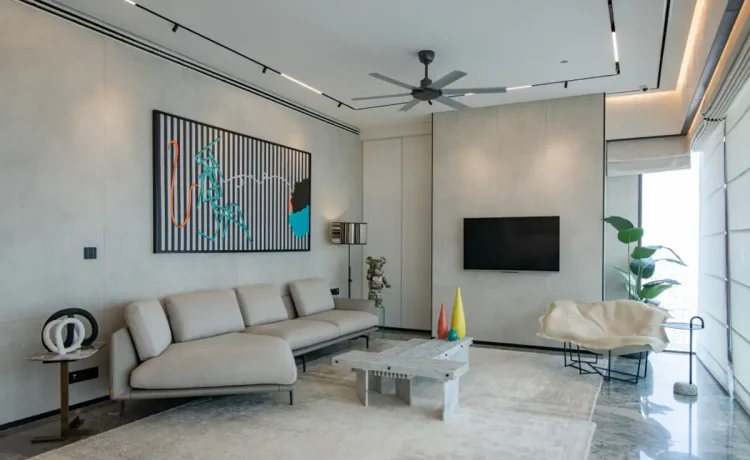
Interior design is a discipline that blends art, architecture, and psychology, with a deep understanding of how spaces affect the people who inhabit them. Whether it’s a cozy apartment, a corporate office, or a luxury hotel, the design of interior spaces has the power to transform how we feel, work, and interact. As much as interior design is about aesthetics, it also incorporates elements of functionality, comfort, and even social and emotional dynamics. This multifaceted approach makes interior design both an art and a science, grounded in both creativity and practicality. In this article, we will explore the evolution of interior design, the key elements that contribute to successful interiors, and the growing trends that are shaping the future of space design.
The Evolution of Interior Design
Interior design, as we understand it today, has evolved significantly over centuries. In ancient times, the concept of interior spaces was primarily concerned with shelter and survival. The early civilizations, from the Egyptians to the Greeks, focused on creating functional living spaces with limited concern for aesthetics. However, the importance of the interior began to emerge as a reflection of cultural values and social status. The opulence of Egyptian palaces, for instance, included intricate furniture and decorations, often reflecting religious and symbolic meanings.
During the Renaissance period, there was a significant shift in the way spaces were viewed. The design of interiors began to incorporate more artistic elements, with an emphasis on symmetry, proportion, and the use of space. Architects and designers like Andrea Palladio played a crucial role in this transformation, merging architecture with the principles of fine art. As the centuries progressed, interior design became increasingly sophisticated, especially during the Industrial Revolution when mass production allowed furniture and decor to become more accessible to the middle class. This period marked the rise of various design movements such as Art Deco, Modernism, and later, Mid-Century Modern, each bringing distinct philosophies about form, function, and beauty.
In the 20th century, the concept of interior design as a profession began to take shape. The focus shifted from mere decoration to a comprehensive approach that incorporated the principles of space planning, ergonomics, color psychology, and sustainability. Today, interior designers are not just responsible for decorating spaces—they are experts in creating environments that enhance the well-being, productivity, and comfort of the people who use them.
Key Elements of Interior Design
Interior design is a complex art that requires a deep understanding of various elements that contribute to a cohesive, functional, and aesthetically pleasing space. The following are some of the key components that designers use to bring a vision to life.
-
Space Planning
Space planning is the foundation of good interior design. It involves the thoughtful arrangement of furniture, fixtures, and other elements within a space to ensure optimal functionality and flow. A well-designed space takes into account factors such as the size and shape of the room, the number of people who will use it, and the activities that will take place there. Whether it’s an open-plan living area or a compact urban apartment, space planning ensures that every square foot is used effectively without overcrowding or underutilizing the space. -
Color and Lighting
Color and lighting are powerful tools in interior design that influence mood, perception, and functionality. Color sets the tone of a room and can evoke emotions—warm colors like reds, oranges, and yellows create an inviting and energizing atmosphere, while cool tones like blues, greens, and purples evoke calm and relaxation. Lighting, both natural and artificial, is equally crucial. A well-lit room can feel larger, warmer, and more welcoming, while poor lighting can make a space feel closed off or unappealing. The use of layered lighting, from task lighting to accent lighting, allows designers to create a dynamic and adaptable environment that suits different activities and times of day. -
Materials and Textures
The choice of materials and textures can significantly affect the feel of a space. Different textures—smooth, rough, soft, or hard—add depth and interest to interiors. Designers may combine contrasting materials like wood and metal, or soft textiles and polished stone, to create balance and harmony. The tactile experience of materials also plays a role in how comfortable and inviting a space feels. Fabrics, for example, are crucial in bedrooms and living areas where comfort is a priority. Natural materials, such as wood, stone, and leather, bring warmth and character to a space, while contemporary materials like glass, steel, and acrylic often convey a sleek, modern aesthetic. -
Furniture and Accessories
Furniture is the functional backbone of any interior. It serves both utilitarian and aesthetic purposes, offering comfort while contributing to the overall design narrative. Whether it’s a statement piece, such as a grand dining table, or a subtle addition, such as a minimalist chair, furniture defines the look and feel of a room. Accessories like artwork, throw pillows, rugs, and sculptures further enhance the design, adding personality and unique style. A carefully chosen accessory can be the finishing touch that elevates an ordinary space into something extraordinary. -
Sustainability and Functionality
With growing concerns about environmental impact, sustainability has become a key consideration in modern interior design. Designers now prioritize the use of eco-friendly materials, energy-efficient lighting, and products made from renewable or recycled resources. In addition to sustainability, the functionality of design remains paramount. Spaces must be designed to support the needs of the people who use them—whether that means creating a home office that fosters productivity or designing a living room that encourages socialization. The goal is always to create spaces that are as practical as they are beautiful.
The Influence of Technology on Interior Design
Technology has revolutionized many aspects of interior design. In recent years, the rise of smart home technology has changed how we interact with our spaces. From automated lighting and climate control to voice-activated appliances and security systems, technology has enhanced both the functionality and convenience of interior spaces. Additionally, digital tools such as 3D modeling and virtual reality allow designers to visualize and experiment with designs before implementation, ensuring a more efficient and precise process. The growing use of smart furniture, such as desks with built-in wireless charging stations or chairs with ergonomic adjustments, reflects the merging of technology with traditional design elements.
Emerging Trends in Interior Design
The world of interior design is ever-evolving, with new trends emerging each year. Some of the most notable trends today include:
-
Biophilic Design
Biophilic design focuses on incorporating natural elements into indoor spaces. This could include the use of plants, natural light, wood finishes, and other organic materials. The idea behind this approach is to create environments that connect people to nature, fostering well-being and reducing stress. -
Minimalism
Minimalism continues to be a dominant trend, characterized by clean lines, simple forms, and an emphasis on functionality. This approach to design seeks to eliminate excess and create spaces that feel serene and uncluttered. -
Sustainable Materials
As environmental concerns become more prominent, sustainable design practices are gaining traction. Materials like bamboo, cork, and recycled metals are being used more frequently, and eco-friendly paints and finishes are being prioritized to reduce a space’s carbon footprint. -
Maximalism
In contrast to minimalism, maximalism celebrates bold patterns, vibrant colors, and layered designs. It embraces individuality and creativity, often mixing styles, textures, and colors in ways that make a statement.
Interior Design as Personal Expression
Ultimately, interior design is more than just an aesthetic pursuit—it is an expression of identity. The way we design and arrange our spaces reflects our tastes, values, and lifestyles. A home designed to reflect personal interests and preferences creates an environment where individuals feel comfortable and at peace. Whether it’s through the careful selection of colors, the arrangement of furniture, or the integration of technology, interior design offers a chance to create spaces that are both functional and emotionally resonant.
Conclusion
Interior design is far more than a process of decorating a space; it is an intricate blend of art, psychology, and practicality. It has the power to influence mood, foster creativity, and improve quality of life. By understanding the elements of design—space planning, color, lighting, materials, and furniture—designers create environments that enhance both the visual and emotional experience of a space. As technology continues to evolve and sustainability becomes more central to design practices, the future of interior design looks promising, with endless opportunities to create spaces that are both beautiful and sustainable.


